
Setting weekly goals is a powerful way to boost productivity and maintain focus throughout your busy schedule. However, the key to success lies in setting goals that are realistic and attainable, rather than overwhelming or vague. In this post, we’ll explore how to create weekly goals that motivate you, help you measure progress, and ultimately lead to greater accomplishments.
Why Set Weekly Goals?
Weekly goals serve as practical checkpoints that help you break down larger projects into manageable tasks. They provide structure and direction, making it easier to prioritize your time and energy. Unlike long-term goals, which may feel distant and abstract, weekly goals are immediate and actionable, giving you regular opportunities to celebrate progress and adjust plans as needed.
Steps to Set Realistic Weekly Goals
1. Reflect on Your Priorities
Before setting your goals, take a moment to reflect on what matters most this week. Think about your main responsibilities, deadlines, and any personal commitments. This reflection helps ensure your goals align with both your broader objectives and your current capacity.
2. Use the SMART Criteria
To increase the chances of success, aim to make your goals SMART:
– Specific: Clearly define what you want to achieve.
– Measurable: Include criteria to track your progress.
– Achievable: Ensure the goal is realistic given your resources and time.
– Relevant: Make sure it aligns with your bigger picture.
– Time-bound: Set a deadline—weekly, in this case.
For example, instead of saying “work on my project,” say “complete the first draft of the project report by Friday.”
3. Limit the Number of Goals
Trying to accomplish too much in a week can lead to burnout and disappointment. It’s better to focus on a few key goals that have the highest impact. Typically, setting 3 to 5 weekly goals strikes a healthy balance between ambition and realism.
4. Break Goals into Smaller Tasks
Large goals can feel intimidating. Breaking them down into smaller, actionable steps makes them easier to tackle. For example, if your goal is to “organize the workspace,” smaller tasks might include “sort through paperwork,” “clean desk drawers,” and “file important documents.”
5. Prioritize Tasks
Identify which tasks are urgent and important, and tackle those first. Using a priority matrix or simply ranking your tasks can help you focus on what matters most and avoid spending time on low-value activities.
Tips to Stay on Track
Keep a Weekly Planner
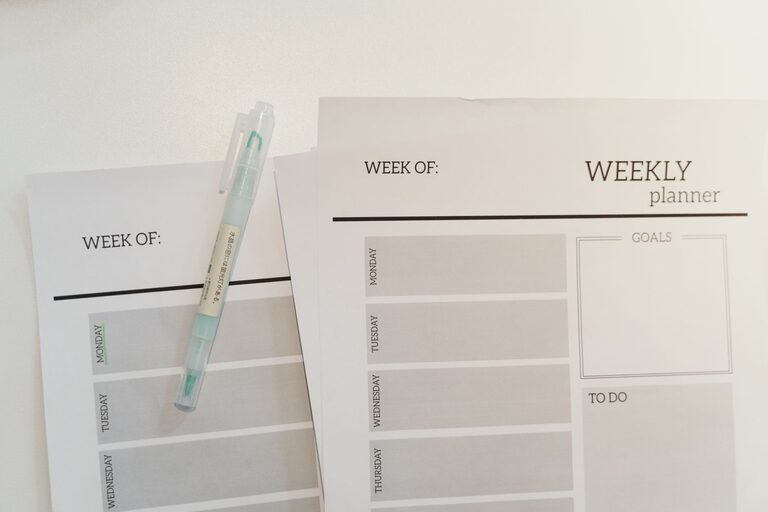
Using a planner or digital calendar to schedule your tasks provides a clear visual of your week. Block out specific times for working on your goals and include short breaks to maintain focus.
Review Your Progress Daily
Take a few minutes at the end of each day to review your accomplishments and adjust your plan if needed. This daily check-in helps keep your goals fresh in your mind and allows you to address challenges early.
Celebrate Small Wins
Recognizing your progress, no matter how small, boosts motivation and confidence. Whether it’s completing a task ahead of schedule or simply staying consistent, take time to celebrate.
Be Flexible
Sometimes unexpected events happen. If you can’t complete a goal as planned, don’t be discouraged. Adjust your timeline or break the goal into smaller parts and try again next week.
Common Mistakes to Avoid
– Setting vague goals: Avoid goals like “be more productive” without defining what that means.
– Overloading your week: Too many goals can dilute your focus and cause stress.
– Ignoring your energy levels: Be realistic about how much you can handle each day.
– Not tracking progress: Without measurement, it’s hard to know if you’re moving forward.
Sample Weekly Goal Plan
| Goal | Tasks | Priority | Deadline |
|——————————-|——————————-|———-|———-|
| Complete first draft of report | Research, outline, write intro | High | Friday |
| Organize workspace | Sort paperwork, clean desk | Medium | Wednesday|
| Exercise 3 times | Schedule workouts, track sessions| Medium | Sunday |
Final Thoughts
Setting realistic weekly goals is an effective way to stay organized, motivated, and productive. By reflecting on your priorities, using SMART criteria, and breaking goals into manageable tasks, you can build a weekly plan that works for you—without overwhelming yourself. Remember, consistency and flexibility are key. Start small, track your progress, and watch your productivity grow week by week.
Happy goal-setting!