
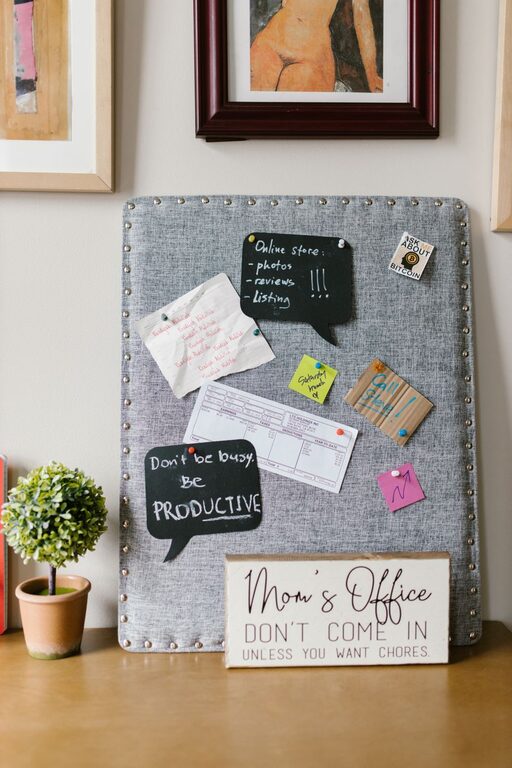
Creating a family command center is a great way to keep your household running smoothly. It serves as a central hub where everyone can find schedules, important documents, reminders, and more. Whether you have a busy family with school, activities, work commitments, or simply want to streamline your home management, a command center can make a big difference.
In this post, we will guide you through the process of setting up a family command center that fits your space and needs. From choosing the right location to organizing key components, you’ll find tips to help your family stay connected and organized.
What Is a Family Command Center?
A family command center is a dedicated spot in your home designed to manage all family-related information. Think of it as a mini headquarters where calendars, to-do lists, mail, and reminders live together. It helps reduce clutter and ensures everyone knows what’s going on each day.
A typical command center might include:
– Calendars (for appointments, activities, and events)
– To-do lists or chore charts
– Message boards or chalkboards
– Mail organizers
– Key hooks
– Important contact info
The goal is to gather everything your family needs to stay coordinated in one easily accessible place.
Step 1: Choose the Right Location
The best location for a family command center is a high-traffic area everyone passes through regularly. Common spots include:
– Near the kitchen or dining area
– By the front door or mudroom
– A hallway or wall in the living room
Choose a place visible to all family members so it naturally becomes part of daily routines.
Step 2: Determine the Components You Need
Every family is different, so your command center should reflect what’s most useful for your household. Consider including:
Calendars and Schedules
A shared calendar is essential for tracking appointments, school events, and extracurricular activities. You might use:
– A large wall calendar
– Dry erase or chalkboard calendars
– Digital syncing calendars paired with a screen or printed version
Message and Reminder Boards
These provide space for notes, reminders, or motivational quotes. Options include corkboards, magnetic boards, whiteboards, or chalkboards.
Mail and Paper Organization
Designate a spot for incoming mail, bills, invitations, and permission slips using:
– Wall-mounted mail organizers
– File folders or trays
– Clipboards or binder rings
Chore and To-Do Lists
Assigning household tasks and keeping track of progress can be done using:
– Printable chore charts
– Dry erase boards
– Sticky notes or clipboards
Key and Small Item Storage
Include hooks, small baskets, or trays for keys, wallets, sunglasses, and other items you need when heading out.
Important Information Station
Keep emergency contacts, school numbers, schedules, and other important papers handy.
Step 3: Gather Supplies and Materials
Once you’ve laid out what your family needs, gather supplies such as:
– A large frame or bulletin board
– Dry erase or chalkboard paint or boards
– Clipboards, baskets, or file organizers
– Hooks and small shelves
– Markers, pins, magnets, and labels
You can repurpose items you already have or buy inexpensive organizers from local stores or online.
Step 4: Design and Assemble Your Command Center
Make your command center both functional and appealing:
– Use labels to clearly identify each section
– Choose a color scheme that matches your home décor
– Arrange components to suit your space and family workflow
– Keep frequently used items at eye level
– Make sure there’s enough space for everyone’s needs
You might want to set up your command center on a wall with multiple boards, or create a small station on a countertop or table.
Step 5: Involve Your Family
Get everyone on board by:
– Asking for input on what to include
– Assigning chores like updating calendars or posting reminders
– Explaining how to use each section to keep things running smoothly
When everyone participates, the command center becomes a valuable tool rather than just another clutter spot.
Tips for Maintaining Your Family Command Center
– Update it daily or weekly to keep info current
– Remove outdated papers regularly to avoid clutter
– Adjust components as your family’s needs change
– Use magnets, clips, or pockets to keep items organized and easy to move
– Consider adding a fun element like a family photo or inspirational quote
Benefits of a Family Command Center
Having a well-organized command center can:
– Reduce missed appointments and deadlines
– Streamline household management tasks
– Improve communication between family members
– Encourage responsibility and accountability
– Save time searching for important information
Final Thoughts
Setting up a family command center doesn’t have to be complicated or expensive. By choosing a good location and tailoring the setup to your family’s unique needs, you can create a helpful and inviting space that brings order to your busy household.
Start small and build your command center over time, making adjustments as needed. With a little planning and teamwork, your family will enjoy the ease and peace of mind that comes with having everything in one place.