
Starting and ending your workday with simple, consistent routines can make a big difference in how productive and balanced you feel. Whether you work from home or an office, these routines help create boundaries between work and personal life, reduce stress, and improve focus.
In this post, we will explore practical routines you can adopt to begin your day refreshed and finish it feeling accomplished. These habits are easy to implement and designed to support your overall well-being.
Why Routines Matter for Your Workday
Routines provide structure by setting clear signals for when work begins and ends. They can help reduce decision fatigue by automating small tasks, freeing mental energy for more important work. Moreover, routines can improve time management and create a sense of control.
By starting with a morning routine, you prepare your mind and body to focus. Ending the day with a closing routine helps you transition out of work mode, which is especially important if you work remotely.
Simple Morning Routines to Start Your Workday
1. Wake Up at a Consistent Time
Try to wake up around the same time every day, even on weekends. Consistency supports your body’s internal clock, improving sleep quality and energy levels.
2. Hydrate and Eat a Light Breakfast
Drinking a glass of water right after waking up helps rehydrate your body. Follow with a balanced, light breakfast to fuel your brain and prevent mid-morning fatigue.
3. Spend a Few Minutes Moving
Stretching or a short walk can wake up your muscles and increase blood flow. This gentle activity helps you feel more alert and ready for the day ahead.
4. Set Daily Goals
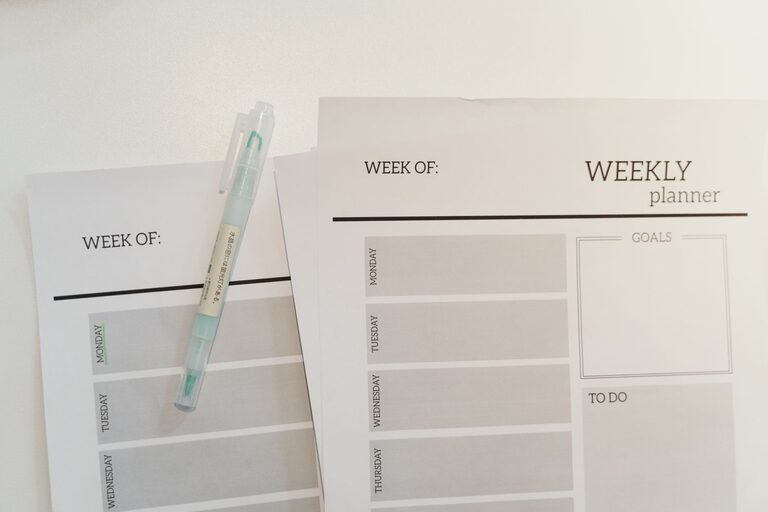
Before diving into work, take 5 to 10 minutes to list 3-5 achievable goals for the day. Prioritize tasks and focus on what’s most important to create a clear plan.
5. Minimize Screen Time at the Start
Avoid checking emails or social media immediately after waking. Instead, dedicate the first part of your morning routine to personal preparation to reduce stress.
6. Practice Mindfulness or Deep Breathing
Spend a few minutes practicing mindfulness, meditation, or deep breathing exercises. These techniques can calm your mind and increase concentration.
Midday Tips to Maintain Energy
Although not part of the start or end routine, it’s helpful to maintain good habits throughout the day.
– Take short breaks every hour to stretch and rest your eyes.
– Stay hydrated.
– Eat a nutritious lunch away from your work station if possible.
Simple Evening Routines to End Your Workday
1. Define a Clear Stopping Time
Set a specific time to end your workday. This helps you avoid overworking and makes it easier to switch to personal time.
2. Review Your Day
Spend a few minutes reviewing what you accomplished. Celebrate completed tasks and note any unfinished work to carry forward.
3. Plan for Tomorrow
Write down priorities or a to-do list for the next day. This practice helps clear your mind and prepares you for a productive start tomorrow.
4. Organize Your Workspace
Take 5-10 minutes to tidy your desk or work area. A clean and organized space reduces distractions and stress when you return to work.
5. Disconnect from Work Devices
Power down your computer and silence notifications. Avoid checking emails or work apps outside of working hours to protect your personal time.
6. Transition with a Relaxing Activity
Engage in a calming activity after work, such as reading, light exercise, or spending time with family. This transition helps signal to your brain that the workday is over.
Tips for Maintaining Your Routines
– Start small and gradually add steps to your routine.
– Use reminders or alarms to build consistency.
– Be flexible and adapt routines to fit your lifestyle.
– Reflect regularly on what works and adjust as needed.
Conclusion
Simple routines to start and end your workday can enhance focus, reduce stress, and improve your overall work-life balance. By establishing consistent habits such as setting goals, organizing your workspace, and taking mindful breaks, you set yourself up for success both professionally and personally.
Try incorporating these steps into your daily schedule and notice how small changes lead to better productivity and well-being. Remember, the key to effective routines is consistency and adapting them to suit your needs.